Museum Theater and Interactive Zones for America's 250th Anniversary Engagement
By Nomi Kander on January 28, 2026
Museum Theater and Interactive Zones for 250th Anniversary Engagement
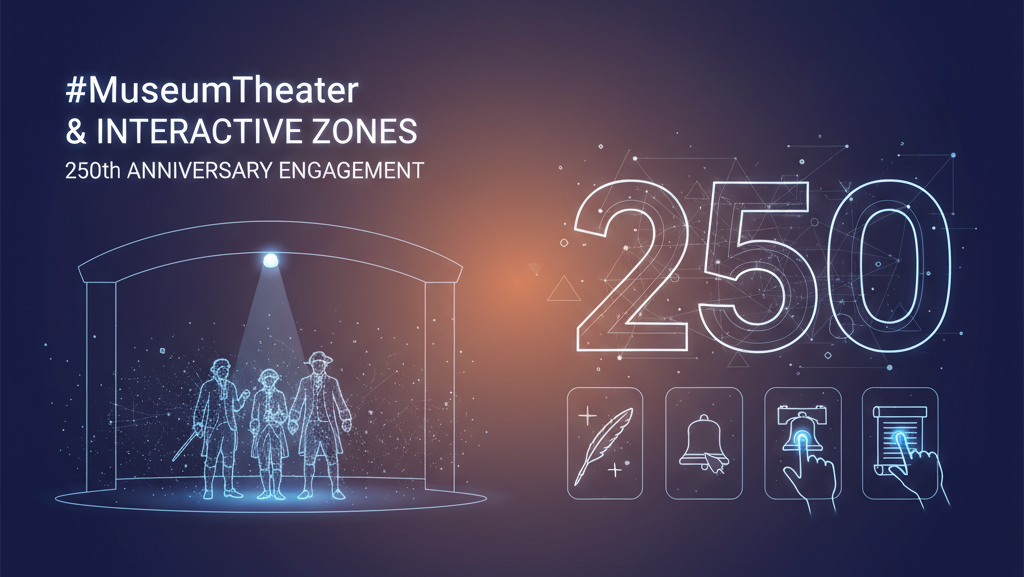
The 250th anniversary of America presents a unique opportunity for museums and cultural institutions to engage audiences in innovative ways. By leveraging museum theater and interactive zones, these institutions can create memorable experiences that connect visitors to the nation’s history. Imagine stepping into a space where history comes alive, inviting participation through immersive storytelling and hands-on exhibits. This is not just a trend; it’s a necessity for museums looking to resonate with diverse audiences.
Key Takeaways
- Museum theater enhances storytelling, creating emotional connections through live performances and narratives.
- Interactive zones allow visitors to engage actively, transforming passive learning into immersive experiences.
- Digital storytelling tools, like augmented reality, provide innovative ways to present historical content.
- Collaborative exhibits encourage community involvement, fostering a sense of ownership in cultural narratives.
- Outdoor interactive displays attract visitors, enhancing public engagement with history in accessible spaces.
- Engaging social media campaigns amplify the reach of museum events, attracting younger audiences.
- Educational programs can leverage interactive elements to make learning about history relevant and exciting.
The Power of Museum Theater
Museum theater serves as a dynamic medium to convey historical narratives. Live performances can bring figures from the past to life, allowing visitors to witness key events in an engaging manner. For instance, the Lenfest Myer Theater in the Grand Rapids Public Museum recently introduced a digital video wall to enhance its storytelling capabilities. This addition not only enriches the visual experience but also encourages audience interaction, making history feel immediate and relevant.
Consider the impact of a historical re-enactment. When visitors see actors portraying historical figures, they can connect emotionally with the narratives. They might feel the tension of a revolutionary debate or the joy of a landmark signing. This emotional engagement is critical for educators and curators aiming to inspire a passion for history.
Creating Interactive Zones
Interactive zones transform traditional museum experiences by allowing visitors to participate actively. These spaces often feature hands-on exhibits where people can touch artifacts, manipulate displays, or engage with technology. For example, interactive kiosks that offer augmented reality experiences can transport users to pivotal moments in history with just a swipe or a tap.
Outdoor plazas can become vibrant hubs of engagement. A statue or monument can serve as a selfie spot, but it can also host interactive displays that educate attendees about its significance. When museums incorporate these elements, they transform passive observation into active participation, inviting a broader audience to engage with history.
Digital Storytelling: Engaging a New Generation
As technology advances, so do the methods of storytelling. Digital storytelling tools allow museums to create compelling narratives that resonate with younger audiences. Through platforms like social media, museums can share bite-sized historical content that captures attention and encourages exploration.
For instance, a museum could use Instagram Stories to share behind-the-scenes looks at an upcoming exhibit or highlight fascinating artifacts. This approach not only engages existing visitors but also attracts new ones, particularly Millennials and Gen Z, who gravitate towards interactive and visually stimulating content.
Community Collaboration and Ownership
Collaborative exhibits can significantly enhance community involvement. By inviting local artists, historians, and community members to contribute, museums can create exhibits that reflect diverse perspectives. This inclusion fosters a sense of ownership among community members, making them more invested in the narrative being told.
Additionally, workshops and events centered around community stories create a platform for voices that might otherwise go unheard. This grassroots approach not only enriches the museum’s offerings but also strengthens its role as a cultural hub.
Conclusion: The Future of Museum Engagement
As the 250th anniversary approaches, museums have a unique opportunity to redefine how they engage with the public. By embracing museum theater and interactive zones, they can create experiences that resonate deeply with visitors. The challenge lies in innovating continually, ensuring that exhibits remain relevant and engaging.
Imagine walking through a museum where history is not just displayed but experienced. The sound of a reenactment, the touch of an artifact, and the engagement with technology can transform the way we learn about our past. This is the future of museums—a place where history lives, breathes, and invites everyone to be a part of the narrative. The time for innovation is now, and the rewards are potentially limitless.