National History Day 2026 Theme: Revolution, Reaction, Reform in History
By Gil Cohen on January 28, 2026
National History Day 2026: Revolution, Reaction, Reform Themes
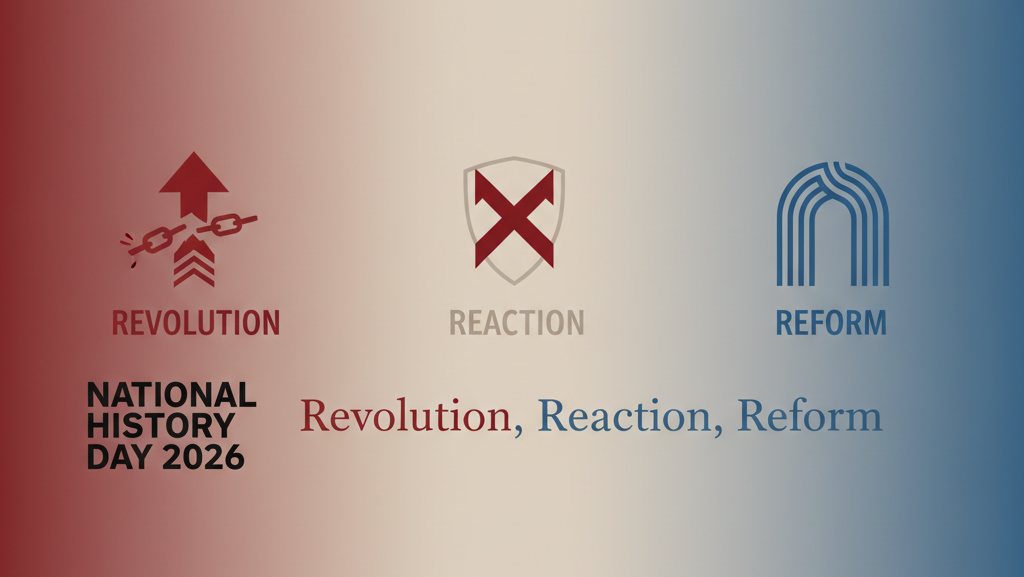
As National History Day (NHD) approaches in 2026, students and educators alike are buzzing with excitement over this year's theme: "Revolution, Reaction, Reform." This theme invites participants to delve into historical events that have sparked transformative changes in society, government, and culture. The challenge lies in not just identifying these events but exploring the complex interplay between revolutions, the reactions they provoke, and the reforms that follow.
Key Takeaways
- Understanding Themes: The theme "Revolution, Reaction, Reform" encourages exploration of significant historical movements and their aftermaths.
- Diverse Topics: Students can choose from a wide range of subjects, including political revolutions, social movements, and scientific innovations.
- Research Resources: The Minnesota Digital Library offers guides and resources to aid students in their research efforts.
- Project Formats: Participants can present their findings through various formats, including exhibits, documentaries, websites, and performances.
- Judging Criteria: Projects are evaluated based on historical accuracy, clarity of presentation, and the significance of the topic chosen.
- Engagement Opportunities: NHD provides numerous opportunities for students to engage with history beyond the classroom through competitions and community events.
- Learning Skills: Participants develop critical thinking, research, and presentation skills essential for academic success.
Exploring Revolution, Reaction, Reform
The Power of Revolutions
Revolutions are not merely events; they are powerful catalysts for change. From the American Revolution to the Arab Spring, these upheavals challenge the status quo and inspire new ideas about governance and society. They often emerge from widespread discontent, whether due to political oppression, economic disparity, or social injustice. Students can explore a variety of revolutions, considering both their immediate impacts and the long-term changes they initiated.
The Nature of Reactions
Each revolution elicits a reaction, which can range from governmental reform to social backlash. The French Revolution, for example, led to the rise of Napoleon and a wave of reactionary movements across Europe. Examining these responses helps students understand the complexities of historical events. What were the motivations behind these reactions? How did they shape the course of history? These questions encourage deeper analysis and critical thinking.
Reform: The Aftermath of Change
Reforms often arise in the wake of revolutions and reactions, aiming to address the issues that led to unrest. The Civil Rights Movement in the United States serves as a poignant example of reform born from revolution. The fights for equality and justice led to landmark legislation, fundamentally altering American society. Students can investigate how reforms shape institutions, laws, and societal norms, offering a rich field for exploration.
Research and Resources
The Minnesota Digital Library is a treasure trove for students seeking to tackle the NHD theme. With guides that help streamline research, students can identify relevant sources and historical narratives. Local libraries and archives also provide invaluable resources, including primary documents, photographs, and firsthand accounts that can enhance projects and presentations.
Project Formats and Presentation
NHD encourages creativity in project presentations. Students can choose formats like exhibits, documentaries, or websites to convey their findings. This flexibility allows participants to showcase their unique perspectives and engage with their audience effectively. The key is to ensure that the chosen format complements the historical narrative being told.
Judging Criteria: What Matters
Understanding the judging criteria is essential for success in NHD. Projects are assessed on their historical accuracy, clarity, and overall significance. Students should present their research in a way that not only informs but also captivates the judges. This means not just presenting facts but weaving a compelling story that highlights the relevance of the chosen topic.
The Impact of Participation
Participating in National History Day goes beyond just academic achievement. It's an opportunity for students to engage actively with history, develop critical skills, and connect with their communities. Through NHD, students learn to appreciate the complexities of historical narratives and the importance of understanding the past to inform the future.
As the theme "Revolution, Reaction, Reform" unfolds, it challenges participants to think critically about the forces that shape our world. It invites them to question, analyze, and interpret history in a way that is engaging and meaningful. In doing so, students not only honor the past but also prepare to contribute to the ongoing dialogue about the future.
In a world that is constantly changing, the lessons learned from history can inspire new revolutions of thought and action—proving that understanding history is not just about looking back but also about moving forward with purpose.